

Angioplasty is often described in technical terms — blocked arteries, stents, restored blood flow. But for you, it likely felt far less clinical. It may have arrived as a shock, a warning, or even an unmistakable turning point. A procedure meant to open an artery can also open something else: awareness.
Physical healing is only the beginning. True recovery challenges you to reconsider your pace, your priorities, and the way you carry stress. “Normal” is no longer something to retrieve; it’s something to redefine.
There are two dimensions of healing that matter deeply now: the connection between your emotional state and your heart’s physical health, and the opportunity to treat this moment as a reset rather than a setback.
The Mind–Heart Connection
Your heart does not operate in isolation from your thoughts and emotions. Stress hormones such as cortisol and adrenaline influence blood pressure, inflammation, and overall cardiovascular strain. When anxiety becomes constant, your body absorbs the cost. Angioplasty has become a routine, well-established intervention backed by strong outcomes and high success rates. However, it’s not unusual to carry a lingering sense of vulnerability after the procedure. You might notice hyper-awareness of every flutter or ache. You may wonder whether it could happen again. That vigilance is understandable, but living in a state of constant alarm can work against the healing you need.
Recovery asks you to calm not just your pulse, but your perspective.
Gentle practices can make a measurable difference. Slow breathing — inhaling for four counts, exhaling for six — helps activate the parasympathetic nervous system, the body’s built-in calming mechanism. Mindfulness meditation reduces stress reactivity. Even a short daily walk, taken without a phone and with deliberate attention to your surroundings, can lower blood pressure and improve mood.
Most importantly, you are not “fragile.” You are healing, and there is a difference.
Rebuilding confidence in your body is part of the work. Each small, medically approved step, whether it’s walking a little farther or preparing a nourishing meal, sends a message to your nervous system: you are capable. Safety is returning. Strength is growing.
Healing your heart physically requires blood flow. Healing it emotionally requires steadiness, and both are within reach.
Turning Recovery into a Lifestyle Reset
A health scare can feel like an interruption, yet it can also become an invitation.
Angioplasty corrected a blockage. Now comes the deeper question: what patterns led there in the first place? You cannot change the past, but you can absolutely influence what comes next.
Recovery offers a rare gift, which is enforced reflection. During this time, you have an opportunity to reconsider daily habits that once ran on autopilot.
Food can feel restrictive after a cardiac event, but it need not be. A balanced, heart-supportive way of eating fuels recovery and promotes steady vitality. The shift is subtle but powerful: from “What can’t you have?” to “What will carry you forward?”
Movement shifts from performance to partnership. Exercise after angioplasty, once cleared by your physician, is not about proving resilience but about cultivating it. Walking, light strength training, or cardiac rehabilitation programs build endurance gradually and safely. Consistency matters far more than intensity.
Sleep, too, deserves attention. Chronic sleep deprivation strains the cardiovascular system. Protecting seven to eight hours of rest is needed and therapeutic.
Perhaps most transformative is the identity shift available to you. You are not simply someone who “had a procedure.” You are someone who chose to survive, and can now choose to thrive. When you view yourself as a proactive steward of your health rather than a passive patient, daily decisions begin to align with that identity.
Small, repeated actions compound. A short walk becomes a routine. A routine becomes a lifestyle, and lifestyle becomes protection.
This is how recovery evolves into renewal.
A Second Chance at Rhythm
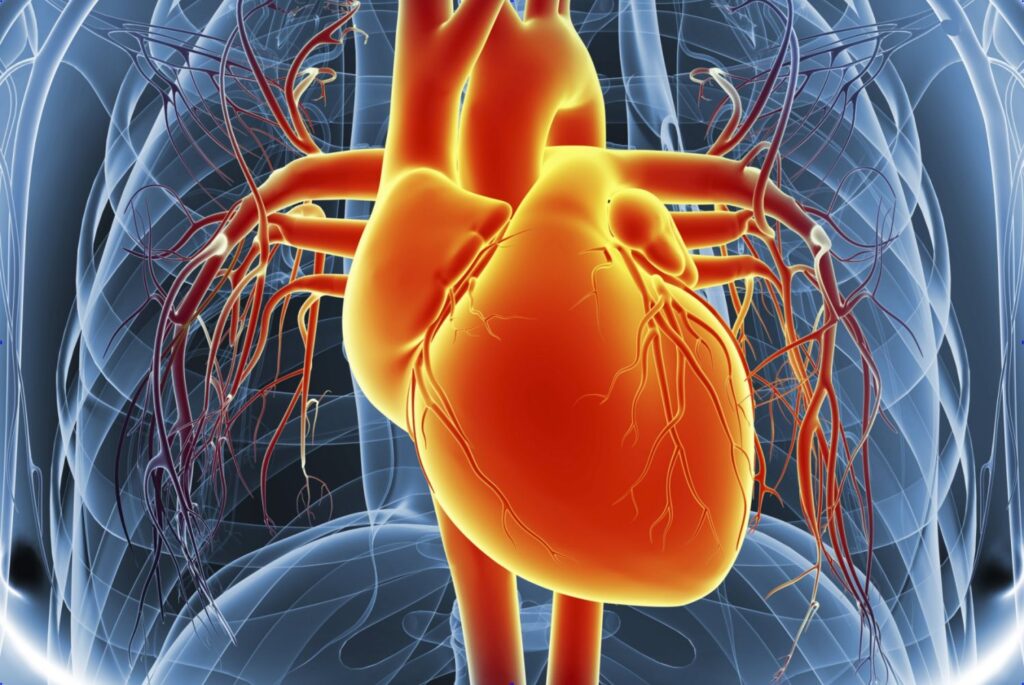
Angioplasty restored blood flow to your heart, but now you have the chance to restore rhythm to your life.
Healing is not a sprint back to your previous pace. It is a recalibration. It is learning when to push gently and when to rest intentionally. It is recognizing that strength includes restraint.
You may not have chosen the interruption, but you can choose the response. By tending to your emotional landscape as carefully as your physical health, and by using this moment as a catalyst for sustainable change, you allow healing to reach deeper than scar tissue.
Your heart has been repaired. Let it also be renewed.
And as you move forward — step by steady step — remember that recovery is not merely about avoiding another crisis but about embracing a fuller, wiser way of living.