
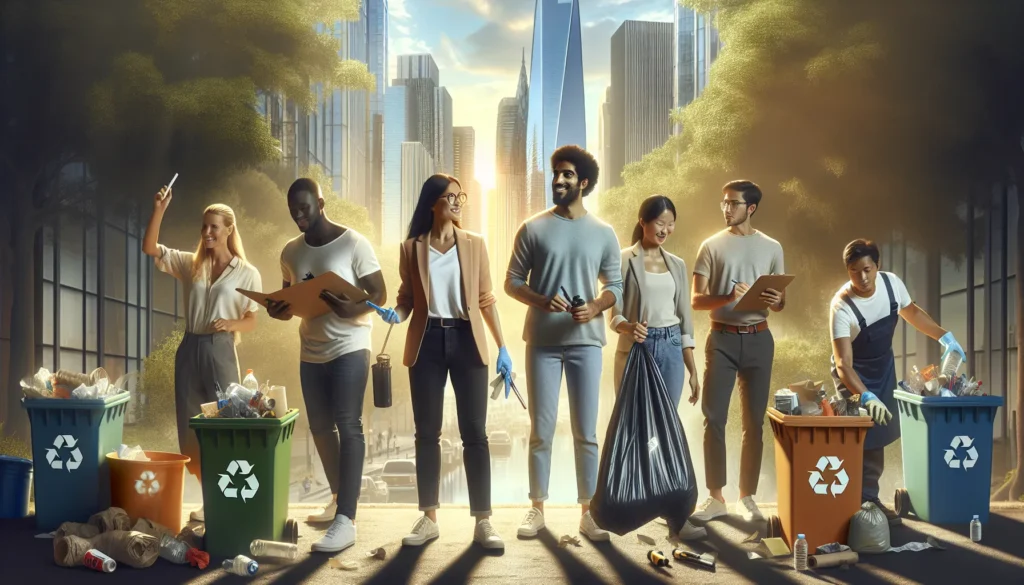
Ever wondered what happens to all that waste piling up in our homes, parks, and streets? Well, grab a seat because we’re diving into the concept of “jätnek”, a word that packs a powerful punch. It’s like the superhero of waste management concepts. While it might sound fancy, it holds incredible significance in our quest for a cleaner, greener planet. Let’s unravel why understanding jätnek isn’t just a good idea, it’s essential for all of us.
jätnek

At its core, jätnek refers to the principles and practices surrounding waste management and disposal. Fairly straightforward, right? But let’s dig a bit deeper. Jätnek encompasses not just the physical act of throwing things away but also the processes that lead to efficient waste reduction, recycling, and proper disposal. Think of it as the collective effort we all need to engage in to tackle waste responsibly.
In various cultures, jätnek could also imply different methods of dealing with refuse, making it a dynamic concept rather than a fixed one. It pushes us to rethink our habits, challenges us to minimize our ecological footprints, and eventually drives us to protect the environment. Now, doesn’t that make you feel like a waste warrior already?
Cultural Context of Jätnek
Jätnek isn’t just a term: it’s a reflection of how different cultures handle waste. From one corner of the globe to another, our approach to waste varies. In some communities, recycling is a part of everyday life, while in others, high consumption rates lead to a different dilemma.
For example, Scandinavian countries are widely praised for their commitment to sustainability, incorporating jätnek into daily routines seamlessly. They emphasize recycling, composting, and reducing waste from the get-go. On the flip side, in parts of the developing world, informal waste practices often emerge out of necessity, showcasing resilience amidst challenges.
We can learn a lot from these diverse approaches. Embracing the cultural context of jätnek allows us to understand that responsible waste management isn’t a one-size-fits-all solution but rather an adaptable strategy that respects local customs and needs.
The Environmental Impact of Jätnek
The environmental consequences of improper waste management are staggering. Landfills overflow, oceans fill with plastics, and toxic waste seeps into our soil. Jätnek emerges as both a solution and a necessity in addressing these challenges. By embracing sustainable waste practices, we can significantly reduce our environmental impact.
When we think about it, every time we decide to recycle or compost, we’re participating in a much larger movement. This simple act prevents waste from ending up in landfills and minimizes pollution. Statistics show that recycling one ton of paper can save more than 17 trees. Imagine the impact we could achieve if all of us committed to such practices.
Besides, responsible waste management maintains the health of our ecosystems, preserving wildlife habitats and ensuring clean air and water for generations to come. It’s a collective responsibility we all share, and understanding jätnek helps us step up as environmental stewards.
Jätnek Practices Around the World
So, how are people tackling the challenge of waste across the globe? In Japan, for instance, the “Mottainai” concept encourages appreciation for resources, leading to a culture of minimal waste. Here, community events flourish around proper waste sorting, promoting recycling and responsible disposal.
In Brazil, several communities carry out composting programs, turning kitchen waste into nutrient-rich soil, showing how resourceful we can be. Similarly, countries like Germany and Sweden lead the way with innovative recycling programs where citizens actively engage in waste management.
These practices reveal a beautiful tapestry of human ingenuity, showcasing how diverse methods can unite under the banner of jätnek. It reminds us that while our approaches may differ, the end goal remains the same: creating a cleaner and healthier planet.
How to Participate in Jätnek Initiatives

Alright, we’ve established the importance of jätnek, but how do we get involved? Participating in jätnek initiatives can start with small actions in our daily lives. Here are some ways to immerse:
- Educate Yourself: Knowledge is power. Understanding your local waste management policies can lead to better decision-making.
- Reduce, Reuse, Recycle: Follow the three R’s mantra religiously. Whether it’s opting for a reusable water bottle or sorting out recyclables, every little bit counts.
- Support Eco-Friendly Brands: Look for businesses that prioritize sustainability in their products and practices. This helps build a market for responsible consumption.
- Join Community Cleanups: Getting involved with local groups can amplify our collective impact. Plus, it’s a great chance to meet like-minded individuals.
- Advocate for Change: Engage with policymakers to push for enhanced recycling programs and eco-friendly regulations. Your voice matters.
By taking these steps, we can embody the spirit of jätnek and contribute to the movement toward sustainable waste management.