
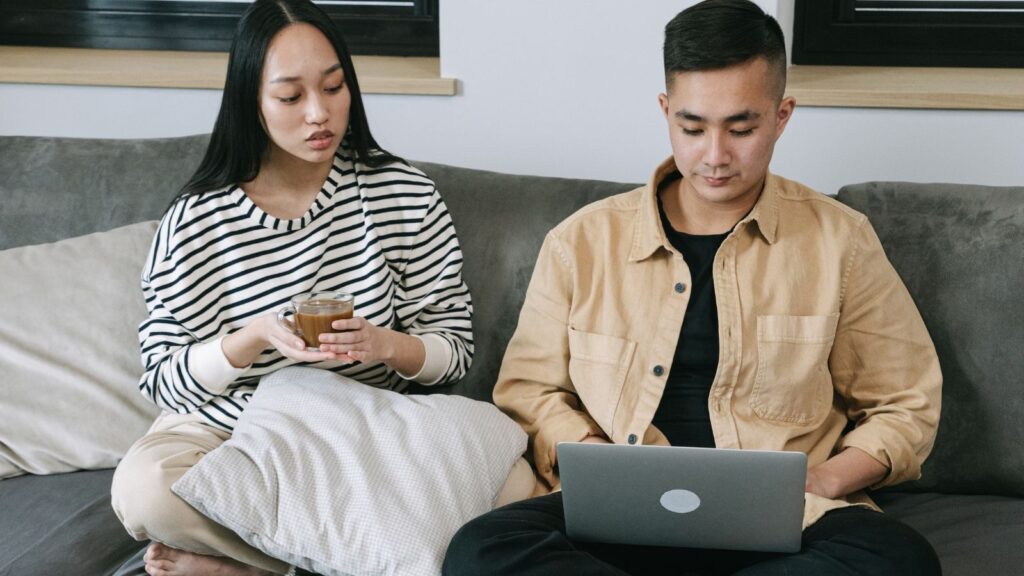
Starting couples therapy can feel like a big step, especially if you are both unsure what to expect. The good news is that therapy online can make that first step feel much easier. For many couples in MENA, it offers a private, flexible, and culturally sensitive way to begin working on the relationship without the pressure of travel, waiting rooms, or difficult logistics.
The first sessions are usually not about blame or proving who is right. They are about understanding what is happening between you, identifying what both of you need, and learning practical ways to communicate with more calm, clarity, and care. With the right therapist, therapy online can become a supportive space where both partners feel heard and where change can begin in a realistic, respectful way.
Why More Couples in MENA Are Choosing Online Therapy
Many couples want support but hesitate because of time, privacy concerns, family expectations, or the fear that therapy might feel too uncomfortable. This is one reason why therapy online, available at https://thera-online.com/, has become such a valuable option. It makes professional support more accessible while giving couples the comfort of staying in a familiar environment.
Online sessions can fit around work, parenting, travel, and busy home lives. They can also feel more discreet, which matters for couples who want privacy while addressing sensitive issues. For many people, starting therapy from home simply feels more manageable — and that can make all the difference when taking the first step.
Common Relationship Pressures in MENA
Couples in MENA often experience the same challenges seen everywhere — communication problems, trust issues, emotional distance, parenting stress, or recurring conflict. At the same time, many relationships in the region are also shaped by extended family expectations, cultural traditions, gender roles, faith, and the pressure to balance modern life with community values.
These dynamics can make relationship problems feel more layered and emotionally intense. That is why it helps to work with a therapist who understands this context and can guide the process with sensitivity. When couples feel that their background is respected, therapy often feels safer and more relevant from the beginning.
Why Therapy Online Can Feel More Comfortable
For many couples, being at home during a session creates a greater sense of ease. You are in your own environment, you do not have to rush to a clinic, and you can prepare your space in a way that helps you feel calm and private. This often makes it easier to speak honestly and stay emotionally present.
Therapy online also removes many practical barriers. There is no commute, less disruption to the day, and more flexibility when schedules are complicated. That convenience often makes consistency easier — and consistency is one of the most important parts of making progress in couples therapy.
How Cultural Sensitivity Helps Couples Feel Safe
A culturally aware therapist understands that relationships do not exist in isolation. Family ties, religion, community expectations, and social roles can all influence how couples communicate, make decisions, and experience conflict.
In the best therapy online experience, your therapist will not apply a generic formula to your relationship. Instead, they will take time to understand what matters to both of you and help you build healthier patterns in a way that feels respectful of your values. This creates trust and helps both partners feel less defensive and more open to change.
How to Prepare for Your First Online Session
The first session does not need to be perfect. You do not need to arrive with everything figured out. Still, a little preparation can help you both feel more grounded and make the session more productive.
Before you begin, it can help to:
- think about what has been hardest in the relationship lately,
- identify one or two things each of you would like to improve,
- choose a quiet, private place for the session,
- make sure your internet, camera, and sound are working,
- agree to approach the first conversation with openness rather than defensiveness.
These small steps can make the first experience of therapy online feel smoother and less stressful.
Choosing the Right Therapist for Your Relationship
The right therapist should feel like a safe and balanced guide for both of you. Experience matters, but so does the sense that the therapist listens well, understands your concerns, and creates space for both partners without taking sides.
When looking for a therapist, it may help to consider:
- experience in couples therapy,
- understanding of MENA family and cultural dynamics,
- language comfort,
- communication style,
- whether faith, gender, or cultural background matter to you in the therapeutic process.
A short introductory call can be very useful. It gives you a chance to ask questions and see whether the therapist feels like the right fit for your relationship.
What Happens in the First Sessions?
The first few sessions are usually focused on understanding your relationship and building a foundation for the work ahead. Your therapist will often ask about your history as a couple, your current challenges, the patterns you keep getting stuck in, and what each of you hopes will improve.
This stage is not only about gathering information. In many cases, you will also begin learning practical tools right away. Even in the early phase, therapy online can give couples simple exercises that help reduce tension and improve communication between sessions.
Building Safety and Trust in the Online Space
One of the therapist’s first goals is to create emotional safety. This means helping both partners feel respected, making sure each person has space to speak, and setting clear expectations for how difficult conversations will be handled.
Your therapist may establish guidelines for turn-taking, slowing down conflict, and speaking in ways that are honest but not hurtful. This structure is especially helpful when emotions run high. Over time, the consistency of the process helps both partners feel safer and more hopeful.
Communication Exercises You May Try Early On
Many couples are surprised that the first sessions often include practical exercises, not just discussion. These may be simple, but they can be powerful. For example, one partner may be asked to speak while the other listens and reflects back what they heard. You may also practice naming feelings more clearly or learning how to express needs without criticism.
These tools are designed to make conversations feel less reactive and more productive. Over time, they can help you both feel more understood and less stuck in the same painful patterns.
How the Therapist Supports You in Real Time
One of the benefits of therapy online is that the therapist can guide you as things happen in the session. If a conversation becomes tense, the therapist may slow it down, help translate what each person is really trying to say, or suggest a different way of responding.
This kind of live support can be incredibly helpful. Instead of only talking about communication problems, you begin practicing healthier communication while the therapist helps you stay on track. That is often where couples start to feel the first signs of relief.
Addressing Common Concerns
It is normal to have doubts before starting. Some couples worry about privacy. Others feel nervous about talking on camera or wonder whether online sessions can really be effective.
These concerns are very common, and in most cases they can be managed well. Reputable therapists use secure platforms and explain confidentiality clearly. Camera discomfort usually eases after a session or two, especially when the therapist creates a calm and supportive atmosphere. And many couples find that therapy online feels more natural than they expected once they get started.
How to Make the Most of Your Sessions
Therapy works best when both partners treat it as a shared process rather than a weekly conversation to “fix” everything all at once. Progress often happens between sessions, when you begin applying what you have learned in daily life.
To get the most out of the experience, it helps to:
- protect the session time from interruptions,
- stay open to feedback,
- complete any simple exercises suggested by the therapist,
- notice small positive changes,
- talk honestly about what is working and what still feels difficult.
The more intentionally you engage with the process, the more valuable therapy online can become.
Small Changes Matter More Than You Think
Many couples hope for a dramatic breakthrough, but in reality, healing often starts with small shifts. A calmer conversation. A more thoughtful response. Less interruption. More honesty. A moment of feeling understood instead of misunderstood.
These changes may seem small at first, but they build trust and momentum. When couples begin to notice even modest progress, it often increases motivation and makes the work feel worthwhile.
When Will You Start Seeing Progress?
Every couple moves at a different pace, but many begin to feel some relief within the first few sessions. Often, the earliest signs of progress are better communication, less escalation during conflict, and a stronger sense that both partners are finally being heard.
Deeper changes — such as rebuilding trust, healing long-standing patterns, or improving emotional connection — usually take more time. What matters most is not instant perfection, but a steady sense that things are moving in a healthier direction.
Taking the First Step Together
Starting therapy online as a couple does not mean your relationship is failing. In many cases, it means you both care enough to seek support before the distance grows even wider. It is a step toward understanding, not blame. A step toward repair, not judgment.
If you and your partner have been feeling stuck, disconnected, or caught in the same painful conversations, therapy can offer a new way forward. You do not have to solve everything before asking for help. You simply have to be willing to begin.
Final Thoughts
For couples in MENA, therapy online can be a gentle but powerful way to start improving the relationship in a space that feels private, practical, and culturally respectful. The first sessions are usually focused on building safety, understanding patterns, and introducing simple tools that can begin helping right away.
If you are both ready for more clarity, better communication, and meaningful support, this may be the right moment to try. Sometimes the hardest part is only the beginning — and once you take that first step, change can feel much more possible than you imagined.