
When it comes to consuming cannabis or hemp products, two popular methods that often come up for comparison are tinctures and edibles. Both offer different advantages depending on the user’s needs, and understanding how they differ in terms of control over intake is essential for making an informed decision. Tinctures vs edibles—each has unique characteristics that affect the rate and way they interact with the body, making it important to weigh both options carefully.
In this article, we will examine the core differences between tinctures and edibles, focusing on their impact on control over dosage, onset times, and duration of effects. By the end, you will have a better understanding of how each method stacks up in terms of providing a more tailored and controlled experience.
Tinctures: The Precision of Liquid Dosing

Tinctures are liquid cannabis extracts typically derived from alcohol or glycerin, allowing for rapid absorption when placed under the tongue. One of the primary reasons consumers choose tinctures is the ability to precisely control their dosage. Each dropper typically holds a measured amount of the substance, making it much easier for users to regulate their intake, whether they are looking for a small or larger dose.
Unlike edibles, tinctures offer more immediate control. Since tinctures are taken sublingually (under the tongue), they are absorbed directly into the bloodstream through the mucous membranes. This bypasses the digestive system, which means the onset time is much faster, usually between 15 to 45 minutes. This quick absorption not only provides users with immediate feedback on the effects of the dosage but also allows for quicker adjustments if the initial dose feels too strong or too weak.
This level of precision is crucial for people seeking to titrate their dosage to find the most effective amount for their needs, whether that’s for managing pain, anxiety, or other conditions. In this regard, tinctures vs edibles stands out because tinctures offer a level of control and immediate feedback that is difficult to replicate with other methods.
Edibles: Slower Onset, Longer Duration
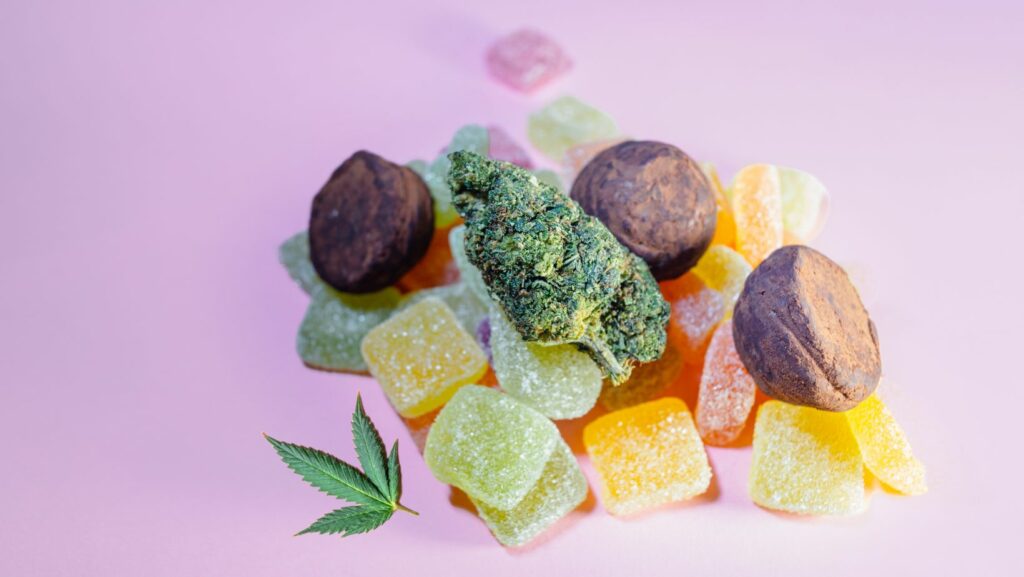
On the other side of the spectrum, edibles are another widely used form of cannabis consumption. Edibles come in a variety of forms, from gummies to baked goods, and are typically consumed orally. The primary difference between edibles and tinctures lies in how they are processed by the body. When an edible is consumed, it passes through the digestive system before the active compounds, such as THC or CBD, are metabolized by the liver. This process takes longer to kick in, with effects often taking between 30 minutes to two hours to be felt, depending on factors such as metabolism and whether the edible was consumed on an empty or full stomach.
While this delayed onset might seem like a drawback when compared to tinctures, it also has advantages. The effects of edibles tend to last longer, often 4 to 6 hours, which can be beneficial for individuals who are looking for extended relief from conditions like chronic pain or insomnia. The duration of effects is one area where edibles tend to outperform tinctures. Once the cannabinoids are processed, the effects may be felt for much longer periods, offering sustained relief without the need for frequent re-dosing.
However, controlling the dose with edibles can be more challenging. While manufacturers often include a specific amount of THC or CBD in each piece, the actual potency can vary depending on factors such as how the product was made, the efficiency of your digestive system, and individual tolerance. This variability can make it harder for users to find the right dose compared to tinctures, where the amount is more consistent and easier to measure.
The Challenge of Dosing and the Risk of Overconsumption
The ability to control dosage is one of the most significant concerns when deciding between tinctures vs edibles. With tinctures, the precision of liquid dosing enables users to fine-tune their intake more easily. A dropper typically allows for increments of a few milligrams, which means it’s easier to gradually adjust the dose based on personal preference or need.
On the other hand, edibles are typically pre-portioned, with each serving containing a fixed amount of THC or CBD. However, the absorption process through the digestive system can vary widely from person to person. For example, someone with a slower metabolism may experience delayed onset or prolonged effects, which could lead to unintentional overconsumption if they don’t wait long enough to feel the effects before taking more.
This delay in the onset of effects with edibles is one of the most common reasons for overconsumption. Many people, particularly those new to cannabis, may consume more than intended, thinking that the initial dose wasn’t enough since they don’t feel the effects right away. It is always important to wait at least two hours before considering taking additional doses of an edible, as this delay can result in unwanted or even overwhelming effects. With tinctures, however, users can make immediate adjustments, which significantly reduces the risk of overconsumption.
Factors Affecting Control Over Intake
When comparing tinctures vs edibles, several factors come into play that can impact the level of control an individual has over their intake. These include the user’s tolerance, body weight, and metabolism. Individuals with higher tolerances or faster metabolisms may find that tinctures are more effective for achieving the desired effects within a specific timeframe.
For users with lower tolerances or slower metabolisms, tinctures may be more advantageous because they can start with a very low dose and gradually increase it until they reach the ideal effect. Edibles, on the other hand, may require more caution, as the effects can take much longer to appear, and it is not always easy to predict how a particular edible will affect the body.
Additionally, tinctures allow for a more controlled and discreet method of consumption. For instance, those seeking a quick dose during the day or before an important event can do so without drawing attention, as tinctures are often odorless and easy to carry in small bottles. This is a notable advantage for those looking for flexibility and discretion in their cannabis consumption.
Which Is Best for You?
Ultimately, whether tinctures or edibles are the best option for you depends on your personal preferences, tolerance, and desired experience. Tinctures offer a significant level of control over dosage, with rapid onset and the ability to make adjustments on the fly. For individuals who want precision and immediate feedback, tinctures may be the best choice. This method is ideal for users who need to manage their dose carefully or want to experience the effects quickly and for a shorter duration.
Edibles, in contrast, offer longer-lasting effects, which may be better for those who need extended relief without frequent re-dosing. However, the delayed onset and variability in absorption can make edibles more difficult to dose precisely. Those who are new to cannabis or have a low tolerance may want to exercise caution with edibles to avoid overconsumption.
In the end, the choice between tinctures vs edibles comes down to the individual’s preferences and needs. For some, the precision and fast onset of tinctures may be ideal, while others may prefer the sustained effects and convenience of edibles. Either way, understanding how each method works and the factors that affect dosing will help you make the best decision for your health and wellness goals.
Conclusion
Both tinctures and edibles provide distinct advantages when it comes to controlling cannabis intake. Tinctures offer a high degree of precision and fast onset, allowing for more immediate and customizable control over dosage. In contrast, edibles offer longer-lasting effects but come with a slower onset and can be trickier to dose accurately.
The key to choosing between tinctures vs edibles is understanding how each method works, the timing of the effects, and your own body’s response to cannabis. By weighing these factors, you can better tailor your experience to your specific needs, ensuring that you get the most out of your cannabis consumption, whether you’re using it for medicinal or recreational purposes.