

The Reality of Thinning Hair in Your Thirties
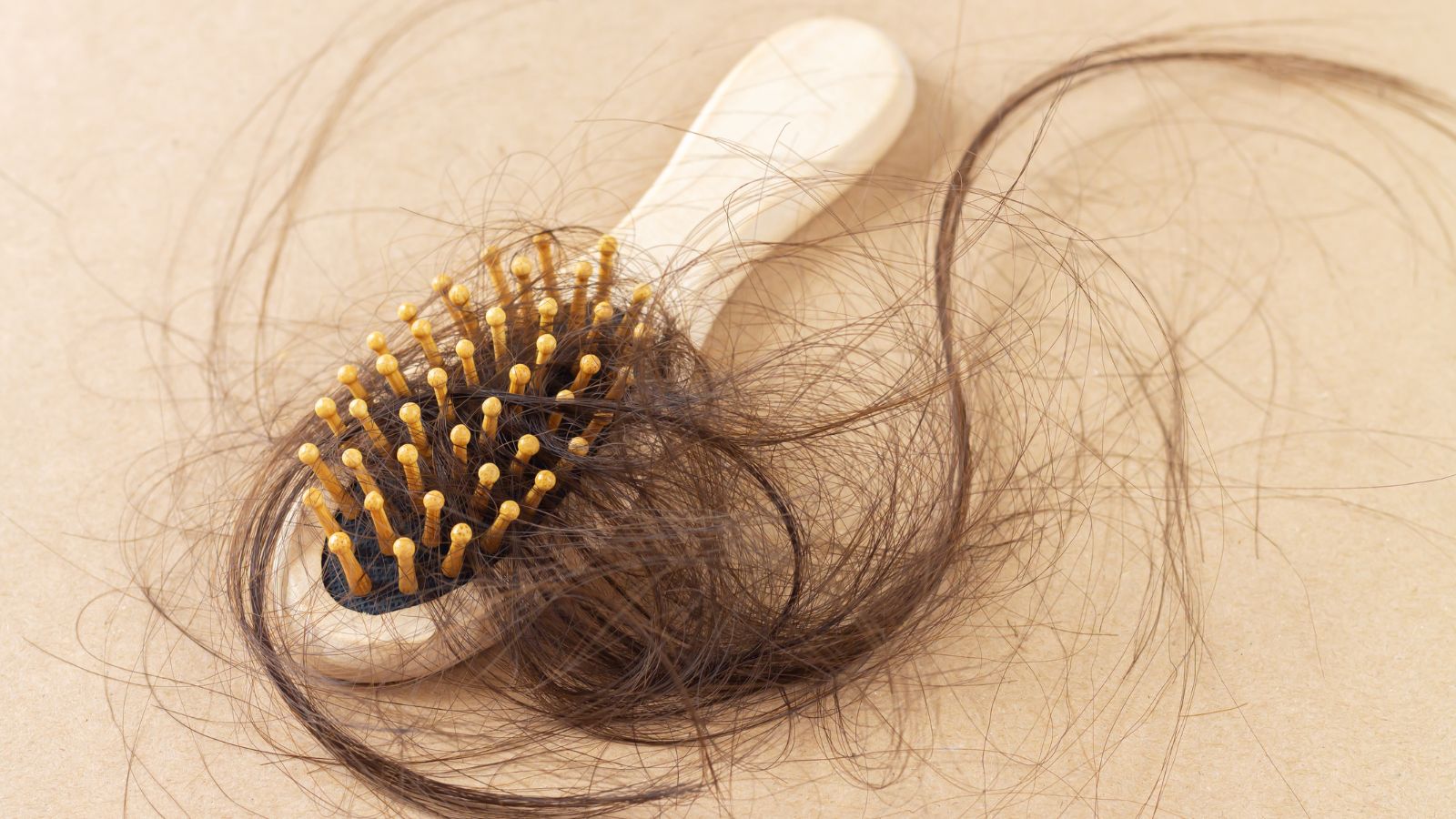
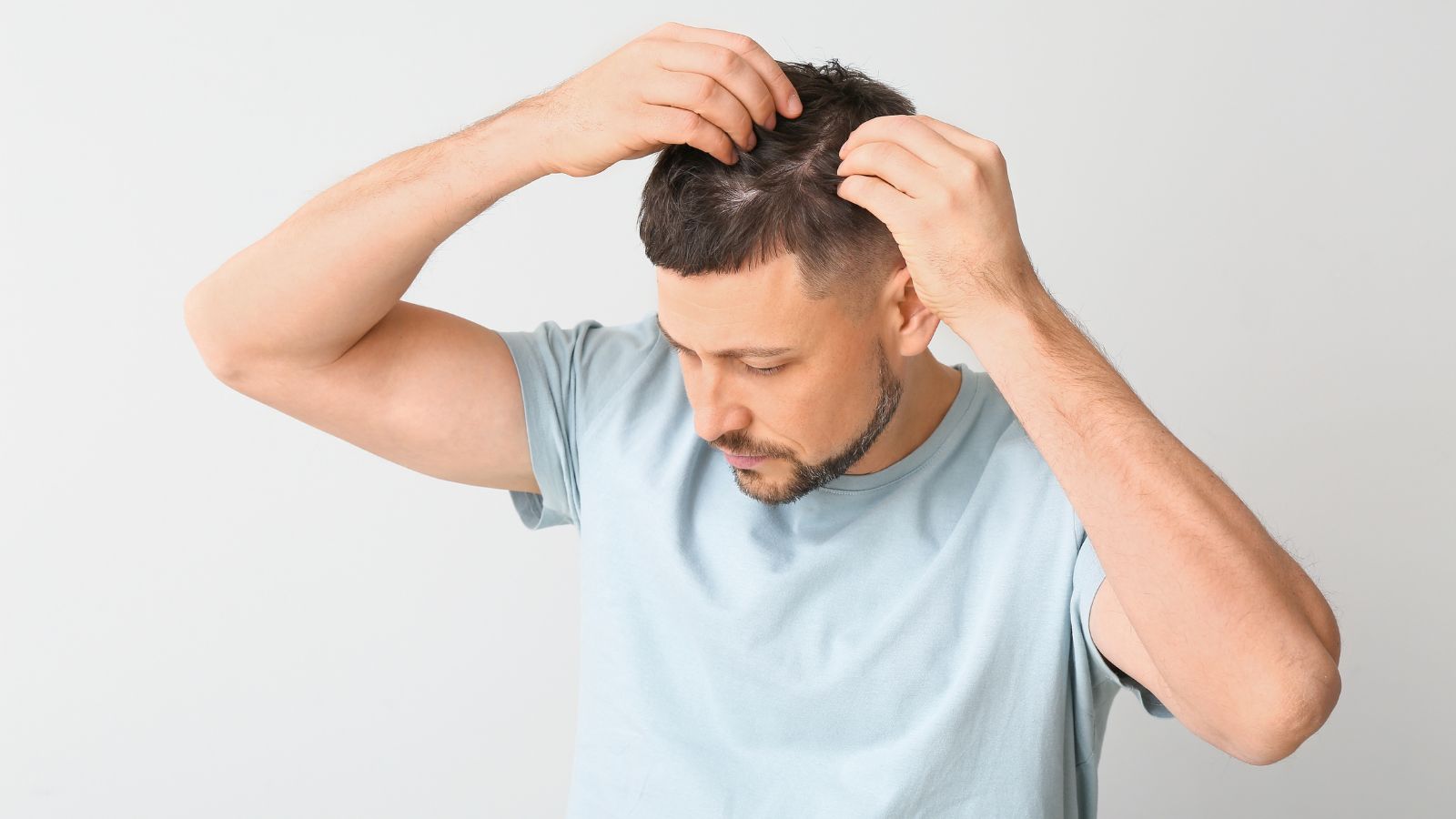
Approaching or crossing the threshold of 30 can come with unexpected changes. One such surprise? A receding hairline or widening part. While many assume hair thinning only starts later in life, early-onset shedding is far more common than one might think. For men and women alike, noticing extra strands on your pillow or in the shower drain can feel disheartening—but it’s not a dead end.
Understanding the Underlying Causes
Hair loss in your thirties often stems from a mix of genetic predisposition, hormonal shifts, and environmental stressors. Androgenetic alopecia—the clinical term for male or female pattern baldness—is one of the main culprits. However, dietary deficiencies, autoimmune conditions, or scalp inflammation can also accelerate follicle miniaturisation. Identifying the root cause is essential before rushing into solutions. Among modern medical options, dutasteride for hair loss has emerged as a notable contender, particularly for those with hormone-related shedding patterns. Unlike finasteride, which blocks only one form of the enzyme 5-alpha-reductase, dutasteride targets both types, offering broader DHT suppression.
Scalp Health Is Often Overlooked
Few people consider the condition of their scalp when addressing hair concerns. However, clogged follicles, excess sebum, or chronic inflammation can inhibit healthy regrowth. Using gentle exfoliants, nourishing oils like rosemary or pumpkin seed, and improving circulation through scalp massage can create a more supportive environment for follicles. Regular deep-cleansing treatments might feel like a spa indulgence—but for your scalp, it’s maintenance.
The Role of Lifestyle in Hair Vitality
Sleep deprivation, elevated cortisol levels, and poor nutrition all play quiet but potent roles in hair thinning. Protein deficiency, for example, directly reduces keratin production, weakening strands from the root. Rebalancing stress through mindfulness practices or exercise can limit hormonal disruption. Incorporating iron, zinc, and omega-rich foods isn’t just good for overall health—it supports robust growth and resilience.
Non-Surgical Interventions That Actually Work
For those wary of surgery or medical prescriptions, newer topical and minimally invasive options offer promising outcomes. Low-level laser therapy (LLLT) stimulates hair follicles through red light exposure, encouraging cell metabolism without discomfort. Microneedling paired with growth factor serums can trigger collagen production and boost absorption of active ingredients. Topical minoxidil remains a mainstay for many—though consistency is crucial for visible results.
When a Hair Transplant Becomes the Right Step
In cases where shedding has progressed beyond early stages, and density loss is concentrated, surgical restoration can offer a realistic and lasting solution. Modern techniques like follicular unit extraction (FUE) provide natural-looking results with minimal scarring. Grafts are meticulously selected and implanted based on growth patterns, ensuring a seamless blend with existing hair. Transplants no longer carry the stigma or obviousness they once did—in fact, most are undetectable.
Combining Treatments for Better Outcomes
One approach rarely solves everything. For optimal results, many opt to combine therapies: medication to prevent further loss, supplements to support scalp health, and surgical methods to restore density. This multi-pronged strategy allows both immediate impact and long-term sustainability. Collaboration with a dermatologist or trichologist ensures these elements are tailored precisely to your hair type, pattern, and underlying cause.
Reclaiming Confidence, One Strand at a Time
Hair loss doesn’t need to dictate your self-image. With today’s tools, science, and a touch of patience, regaining fuller, healthier locks is entirely within reach. The key lies not in panic or rushed decisions, but in exploring your options, understanding your biology, and trusting the process. Your thirties can still be a decade of vitality—and your hair, a reflection of it.